

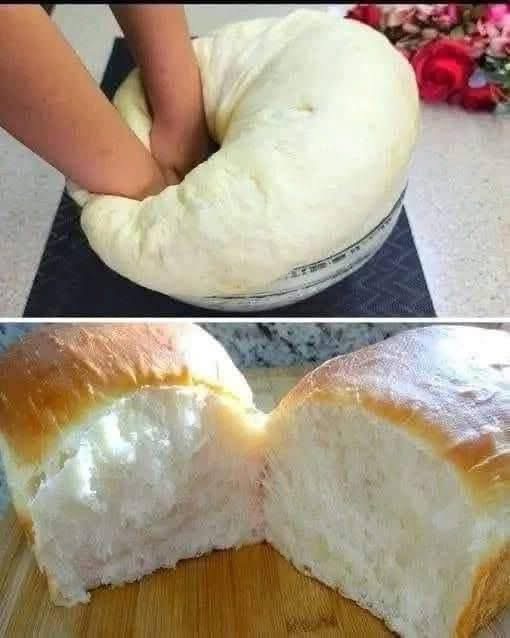
Of course! “Soft and fluffy bread” is the holy grail of home baking. It’s all about creating a tender crumb with a fine, airy texture.
Here’s a breakdown of how to achieve it, from key principles to a simple recipe.
The Science of Softness & Fluffiness
Several factors work together:
- Gluten Development: You need some gluten for structure, but too much makes bread tough. Gentle kneading and proper hydration are key.
- Fat & Dairy: Ingredients like milk, butter, eggs, and oil tenderize the dough by coating gluten strands and adding richness.
- Sugar & Salt: Sugar feeds the yeast, helps with browning, and retains moisture. Salt strengthens gluten but also controls yeast activity for an even rise.
- Proper Proofing: Allowing the dough to rise slowly (often twice) lets flavor develop and creates those essential air bubbles.
- Steam in the Oven: A steamy initial oven environment allows the dough to expand fully before the crust sets, leading to a lighter loaf.
A Classic Recipe: Japanese Milk Bread (Shokupan)
This is arguably the king of soft, fluffy bread. Its secret is a “Tangzhong” (water roux) starter, which pre-gelatinizes some of the flour, resulting in an incredibly soft, moist loaf that stays fresh longer.
Ingredients:
For the Tangzhong:
· 20g bread flour (3 tbsp)
· 100g water (½ cup)
· (Or substitute 100g whole milk for a richer flavor)
For the Main Dough:
· 280g bread flour (2 cups + 2 tbsp)
· 30g sugar (2 ½ tbsp)
· 6g salt (1 tsp)
· 7g instant yeast (2 ¼ tsp, or 1 packet)
· 120g warm whole milk (½ cup)
· 1 large egg, at room temperature
· 30g unsalted butter, softened (2 tbsp)
Instructions:
- Make the Tangzhong:
· In a small saucepan, whisk the flour and water/milk until smooth.
· Cook over medium-low heat, stirring constantly, until the mixture thickens to a paste-like consistency (about 65°C / 150°F). It will leave “lines” in the pan when stirred.
· Transfer to a bowl, cover directly with plastic wrap to prevent a skin, and let cool to room temperature.
- Make the Dough:
· In the bowl of a stand mixer, combine the cooled tangzhong, warm milk, egg, sugar, yeast, and flour.
· Mix with a dough hook on low until a shaggy dough forms. Then knead on medium speed for about 5-7 minutes until smooth and elastic.
· Add the soft butter and salt. Knead for another 5-8 minutes until the dough is very smooth, elastic, and passes the “windowpane test” (stretch a small piece; it should form a thin, translucent membrane without tearing).
· The dough will be slightly sticky but manageable.
- First Rise (Bulk Fermentation):
· Shape into a ball, place in a lightly oiled bowl, cover, and let rise in a warm place until doubled in size (about 1-1.5 hours).
- Shape:
· Gently deflate the dough. Divide into 3 or 4 equal pieces.
· Roll each piece into an oval, then fold the sides to the center. Roll it up tightly from the short end (like a cinnamon roll). Place the rolls seam-side down in a greased 9×5 inch loaf pan.
- Second Rise:
· Cover the loaf pan and let rise until the dough rises just above the rim of the pan (about 45-60 minutes). It should look puffy and full.
- Bake:
· Preheat oven to 350°F (175°C).
· Optionally, brush the top with an egg wash (1 egg + 1 tbsp milk) for a shiny, dark crust, or with milk/cream for a softer crust.
· Bake for 30-35 minutes, or until the top is a deep golden brown and the internal temperature reaches 190°F (88°C).
· Pro Tip for Extra Fluffiness: For the first 10 minutes of baking, place a small oven-safe dish of boiling water on the bottom rack to create steam.
- Cool:
· Immediately remove the bread from the pan and let it cool completely on a wire rack. This prevents sogginess.
· Resist the urge to slice it warm! Letting it cool ensures the structure sets, making it easier to slice and keeping it soft.
Quick Tips for Any Soft Bread Recipe:
· Use Bread Flour: Its higher protein content creates a stronger, more elastic network that can trap more gas, leading to a higher, fluffier rise.
· Don’t Kill the Yeast: Ensure your milk/liquid is warm, not hot (about 110°F / 43°C).
· Measure by Weight: Using a kitchen scale is the most accurate way to measure flour, leading to consistent results.
· Don’t Over-Flour Your Surface: Use just enough to prevent sticking. Adding too much flour during kneading makes the dough dense.
· The Windowpane Test is Your Friend: It’s the best indicator that gluten is properly developed.
· Store Properly: Keep soft bread in a bread box or airtight plastic bag at room temperature for 2-3 days. For longer storage, slice and freeze it.
Enjoy the bliss of baking and tearing into your own impossibly soft, fluffy, cloud-like bread!