

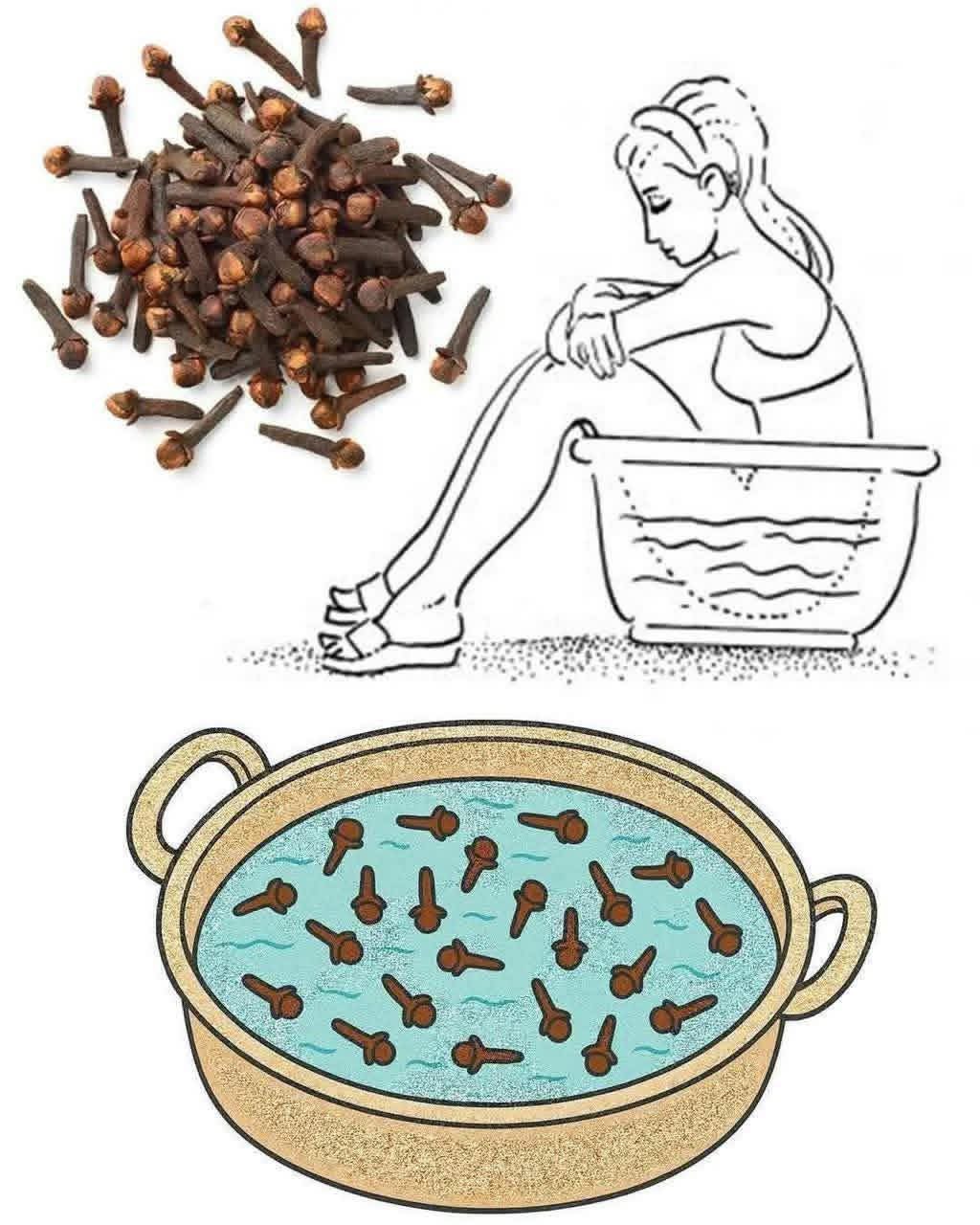
Clove Water Sitz Baths: A Traditional Soothing Remedy
Important Disclaimer: This information is for educational purposes only. Clove water sitz baths are a traditional home remedy and are not a substitute for professional medical advice, diagnosis, or treatment. Always consult with your healthcare provider, especially for postpartum recovery, hemorrhoids, infections, or any persistent condition.
What is a Clove Water Sitz Bath?
A sitz bath is a shallow, warm-water bath that cleanses and soothes the perineal area (the space between the anus and vulva or scrotum). Adding a clove infusion creates a warming, soothing, and mildly antiseptic soak based on traditional use.
Traditional Uses & Reported Benefits
· Postpartum Recovery: Traditionally used to soothe perineal tenderness and promote healing after childbirth.
· Hemorrhoid Relief: The warm water and clove’s potential anti-inflammatory properties may provide temporary comfort from itching and swelling.
· General Perineal Discomfort: For minor irritation, itching, or soreness in the genital/anal area.
· Cleansing: Used as a gentle cleanser for minor cuts or abrasions in the area.
The primary mechanism is the warm water itself, which increases blood flow and promotes relaxation. The clove infusion adds a comforting, aromatic element.
Precautions & Contraindications
STOP AND CONSULT A DOCTOR BEFORE USE IF:
· You have open wounds, surgical incisions, or severe tears (unless explicitly approved by your doctor/midwife).
· You suspect an active infection (yeast, bacterial, or urinary tract infection).
· You are pregnant (except for postpartum use as directed by a care provider).
· You have known allergies to cloves or eugenol.
· You have sensitive skin (perform a patch test first on your inner arm).
Clove oil is a potent skin irritant. Never use undiluted clove essential oil in a sitz bath.
How to Prepare a Safe Clove Water Sitz Bath
Ingredients & Equipment
· 4-6 whole cloves (not powdered)
· 4 cups (1 liter) filtered or distilled water
· A clean, non-reactive pot with a lid
· A sitz bath kit (that fits over your toilet) or a clean, shallow bathtub
· A fine-mesh strainer or cheesecloth
· Optional: 1-2 tablespoons of dried lavender flowers or chamomile for added soothing effect.
Step-by-Step Instructions
- Make the Clove Infusion (Decoction):
· Bring the 4 cups of water to a boil in the pot.
· Add the whole cloves (and optional herbs).
· Reduce heat, cover, and simmer gently for 15-20 minutes.
· Remove from heat and let steep, covered, for another 10 minutes.
· Strain thoroughly through a fine-mesh strainer or cheesecloth to remove all solid particles. This step is crucial to prevent irritation.
- Prepare the Bath:
· Clean your sitz bath basin or bathtub thoroughly with mild soap and hot water. Rinse well.
· Fill the basin with warm (not hot) water. The ideal temperature is comfortably warm to the touch, similar to bath water for a baby (around 100°F / 38°C).
· Pour the strained clove infusion into the bath water and stir to mix.
- Taking the Sitz Bath:
· Position the sitz bath bowl securely over your toilet, or sit in the shallow bath.
· Soak the perineal area for 10-15 minutes, no longer.
· Gently pat the area dry with a clean, soft towel. Do not rub.
· Always air dry for a few minutes before putting on loose, breathable cotton underwear.
Aftercare & Hygiene
· Use a fresh bath infusion each time. Do not store or re-use the water.
· Wash the sitz bath basin with hot, soapy water after every use.
· Follow your healthcare provider’s specific aftercare instructions if you are postpartum or treating a medical condition.
When to Seek Medical Attention
Consult your doctor or midwife immediately if you experience:
· Increased pain, burning, or irritation during or after the bath.
· Signs of an allergic reaction (rash, hives, significant redness).
· Foul-smelling discharge or pus.
· Fever or chills.
· No improvement in symptoms after a few days of use.
The Bottom Line
A warm clove water sitz bath can be a soothing complementary practice for general perineal comfort when prepared and used correctly. Its effectiveness is largely attributed to the warm water therapy. It is not a cure for medical conditions. For postpartum recovery, hemorrhoids, or infections, your healthcare provider’s guidance is essential for safe and effective treatment.