

Introduction
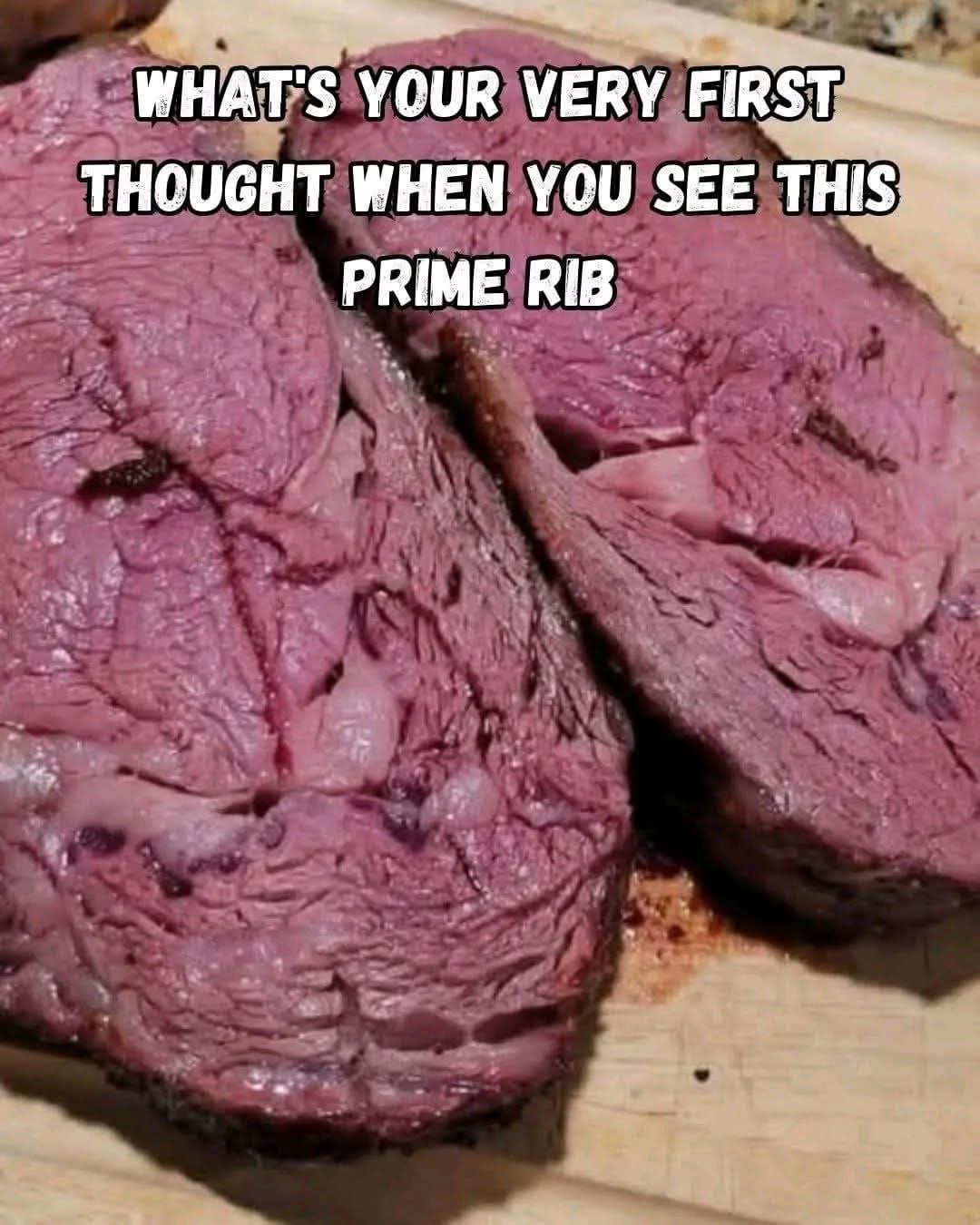
What’s your first thought when you see this prime rib? For many, it’s a vision of holiday feasts, celebratory dinners, and the ultimate culinary indulgence. Prime rib perfection isn’t just a dream; it’s an achievable reality that transforms a simple meal into an unforgettable event. This majestic roast, with its impressive size and rich flavor, stands as a testament to the art of slow cooking and meticulous preparation. There’s something inherently special about a perfectly cooked prime rib – the way it commands attention on the table, the anticipation as it’s carved, and the sheer delight of that first tender, juicy bite.
The allure of prime rib lies in its unique combination of succulence, robust beefy taste, and that coveted, uniform rosy-pink interior. It’s a dish that evokes warmth, comfort, and a sense of occasion, making it a cornerstone of festive gatherings. But achieving this level of perfection can often feel intimidating. Many home cooks shy away from tackling such a significant cut of meat, fearing an overcooked, dry, or unevenly done roast. Our goal with this article is to demystify the process, providing you with the knowledge and techniques to confidently prepare a prime rib that will not only impress your guests but also deliver on every promise of flavor and tenderness.
We’ll guide you through every essential step, from selecting the finest cut of beef to mastering the art of seasoning, roasting, and finally, carving your masterpiece. You’ll learn the secrets behind that beautiful, flavorful crust and the consistently juicy, medium-rare center that defines prime rib perfection. Get ready to unlock the full potential of this magnificent roast and elevate your home cooking to a truly professional level. Prepare to turn heads and delight palates with a prime rib that is nothing short of spectacular.
Nutritional Information
Per serving (approximate values, based on 6oz cooked portion):
- Calories: 450
- Protein: 42g
- Carbohydrates: 0g
- Fat: 32g
- Fiber: 0g
- Sodium: 350mg
Ingredients
- 1 (4-6 pound) bone-in prime rib roast (2-3 ribs)
- 3 tablespoons coarse sea salt
- 2 tablespoons freshly ground black pepper
- 1 tablespoon garlic powder
- 1 tablespoon onion powder
- 2 teaspoons dried rosemary, crushed
- 2 teaspoons dried thyme
- 1/4 cup olive oil or avocado oil
- For Au Jus (Optional):
- 2 cups beef broth
- 1/2 cup red wine (optional)
- 1 tablespoon Worcestershire sauce
- 1 teaspoon dried thyme
- 1 bay leaf
Instructions
- Prepare the Roast (24-48 hours in advance for best results): Remove the prime rib roast from its packaging. Pat it thoroughly dry with paper towels.
- Season Generously: In a small bowl, combine the coarse sea salt, freshly ground black pepper, garlic powder, onion powder, crushed dried rosemary, and dried thyme.
- Apply Seasoning: Rub the olive oil or avocado oil evenly over the entire surface of the prime rib roast. Then, generously sprinkle the seasoning mixture over the roast, pressing it gently to adhere. Ensure all sides are well-coated.
- Refrigerate (Dry Brine): Place the seasoned prime rib roast on a wire rack set inside a rimmed baking sheet. This allows air to circulate around the roast, helping to dry out the exterior and create a fantastic crust. Refrigerate uncovered for at least 24 hours, and up to 48 hours. This dry brine process draws moisture from the surface, concentrates flavor, and tenderizes the meat.
- Bring to Room Temperature:Approximately 3-4 hours before you plan to cook, remove the prime rib from the refrigerator. Leave it on the counter to come to room temperature. This crucial step ensures more even cooking and helps prevent the exterior from cooking too quickly while the interior remains cold.
- Preheat Oven and Prepare for Roasting: Preheat your oven to 450°F (232°C). While the oven preheats, place a V-rack or another wire rack inside a large roasting pan. This elevates the roast, allowing heat to circulate evenly.
- Initial High-Heat Roast: Place the prime rib roast, fat-side up, on the V-rack in the roasting pan. Roast in the preheated 450°F (232°C) oven for 15-20 minutes. This high-heat sear helps to develop that desirable, flavorful crust.
- Reduce Heat and Continue Roasting (Low & Slow): After the initial searing period, reduce the oven temperature to 250°F (120°C). Do NOT open the oven door during this time if possible. Continue to roast until the internal temperature of the prime rib reaches your desired doneness.
- Monitor Internal Temperature: Insert a good quality meat thermometer into the thickest part of the roast, avoiding bone. For medium-rare, aim for an internal temperature of 120-125°F (49-52°C). For medium, aim for 130-135°F (54-57°C). Cooking time will vary significantly based on the size of your roast and your oven, typically ranging from 2-3 hours for a 4-6 pound roast after the initial sear.
- Remove and Rest (Crucial Step):Once the prime rib reaches your desired internal temperature, carefully remove it from the oven. Transfer the roast, still on its rack, to a cutting board. Tent it loosely with aluminum foil.
- Rest the Roast: Allow the prime rib to rest for at least 30-45 minutes (for larger roasts, up to an hour). This resting period is absolutely critical. It allows the juices to redistribute throughout the meat, resulting in a significantly more tender and juicy roast. The internal temperature will also continue to rise by 5-10 degrees during this time (carryover cooking).
- Prepare Au Jus (Optional, during resting): While the roast is resting, you can prepare a simple au jus. Carefully pour off any excess fat from the roasting pan, leaving behind the flavorful drippings and browned bits. Place the roasting pan over two stovetop burners on medium-high heat. Deglaze the pan by pouring in the beef broth and red wine (if using), scraping up any browned bits from the bottom with a wooden spoon. Add Worcestershire sauce, dried thyme, and bay leaf. Bring to a simmer and cook for 5-10 minutes, reducing slightly. Strain the au jus through a fine-mesh sieve into a serving bowl. Season with salt and pepper to taste.
- Carve and Serve: After resting, remove the foil. To carve, carefully separate the bones from the meat by running a sharp carving knife along the curve of the bones. Once the bones are removed (you can save them for stock or enjoy them later!), slice the prime rib against the grain into desired thickness, typically 1/2 to 3/4 inch thick.
- Enjoy: Serve immediately with the warm au jus, horseradish cream sauce, and your favorite side dishes.
Cooking Tips and Variations
Achieving prime rib perfection is a meticulous process, but these tips and variations will help you master it. First and foremost, invest in a good quality instant-read meat thermometer. This is your most valuable tool for ensuring perfect doneness. Relying solely on cooking time charts can be misleading, as oven temperatures and roast sizes vary. Always measure the internal temperature in the thickest part of the roast, avoiding bone, for the most accurate reading. Another critical tip is the dry brine: allowing the seasoned roast to sit uncovered in the refrigerator for 24-48 hours before cooking is a game-changer. This process not only deepens the flavor but also helps to dry the surface, leading to an incredibly crispy and caramelized crust, a hallmark of superior prime rib.
When it comes to seasoning, don’t be shy. Prime rib is a large cut of meat that can handle a generous amount of seasoning. Beyond our suggested blend, consider fresh herbs like finely chopped rosemary and thyme, pressed into the oil-coated roast. A paste made from minced garlic, fresh herbs, and olive oil can also be rubbed all over for an even more aromatic crust. For an added layer of flavor, some chefs like to score the fat cap in a crosshatch pattern before seasoning. This allows the seasoning to penetrate deeper and helps the fat render more evenly, creating delicious crispy bits.
The reverse sear method is a popular variation for achieving truly edge-to-edge medium-rare. Instead of starting high and finishing low, you begin with a very low oven temperature (like 200-225°F or 93-107°C) and roast slowly until the internal temperature is about 10-15 degrees shy of your target. Then, you remove the roast, rest it, and just before serving, blast it in a very hot oven (500°F or 260°C) or under a broiler for 10-15 minutes to develop a beautiful crust. This method requires a bit more timing but often yields the most uniform doneness.
For an extra layer of richness in your au jus, consider adding a few mushrooms or a chopped shallot to the roasting pan drippings when deglazing. You can also thicken the au jus slightly by whisking in a cornstarch slurry (1 tablespoon cornstarch mixed with 2 tablespoons cold water) during the simmering stage, if you prefer a slightly thicker consistency. Remember, the bones removed from the prime rib can be roasted and used to make a phenomenal beef stock, which can then be used for future au jus or other recipes, ensuring no part of this magnificent cut goes to waste.
Storage and Reheating
Proper storage and reheating are key to enjoying your prime rib leftovers without sacrificing flavor or texture. Once the prime rib has cooled to room temperature (within two hours of cooking), slice any remaining meat from the bone, if you haven’t already. Store the carved prime rib in an airtight container in the refrigerator for up to 3-4 days. For optimal freshness and to prevent the meat from drying out, it’s best to store larger pieces or slices rather than shredding it. If you have any leftover au jus, store it separately in an airtight container in the refrigerator; it will be invaluable for reheating.
For longer storage, prime rib can be frozen. Wrap individual slices or small portions tightly in plastic wrap, then again in aluminum foil, and place them in a freezer-safe bag or container. It can be stored in the freezer for up to 2-3 months. Thaw frozen prime rib overnight in the refrigerator before reheating.
Reheating prime rib can be tricky, as the goal is to warm it through without overcooking and drying it out. The best method is a gentle, low-heat approach. Preheat your oven to a low temperature, around 250-275°F (120-135°C). Place the prime rib slices in an oven-safe dish. If you have leftover au jus, pour a tablespoon or two over the meat to help keep it moist. Cover the dish tightly with aluminum foil to trap moisture. Heat for 15-25 minutes, or until warmed through. The exact time will depend on the thickness of your slices and the amount of meat. Avoid reheating to the original medium-rare internal temperature, as this will further cook the meat. You’re aiming for a warm, not sizzling, internal temperature, ideally around 110-120°F (43-49°C).
Alternatively, you can gently reheat individual slices in a skillet on the stovetop. Add a splash of beef broth or au jus to the pan, place the slices in, cover, and heat over low heat until just warmed through, flipping once. Be cautious not to let the pan get too hot, as this can quickly dry out the meat. Avoid using a microwave for reheating prime rib, as it tends to cook unevenly and can make the meat tough and rubbery. With these methods, your leftover prime rib can be nearly as delicious as the first serving.
Frequently Asked Questions
What is the difference between prime rib and ribeye?
Both prime rib and ribeye come from the same primal cut of beef: the rib section. The key difference lies in how they are cut and prepared. Prime rib (also known as a standing rib roast) is typically a larger roast, encompassing several ribs, and is cooked whole, bone-in. Ribeye, on the other hand, is a steak cut from the prime rib roast, either bone-in or boneless. When you carve a prime rib, the individual slices are essentially ribeye steaks. So, while they are from the same area, prime rib is the roast, and ribeye is the steak cut from that roast. Cooking methods differ too; prime rib is slow-roasted, while ribeye steaks are typically grilled or pan-seared.
Can I cook a boneless prime rib using this recipe?
Absolutely! This recipe can be easily adapted for a boneless prime rib roast. The primary cooking principles remain the same: generous seasoning, bringing to room temperature, an initial high-heat sear, and a long, slow roast until the desired internal temperature is reached, followed by a crucial resting period. You might find that a boneless roast cooks slightly faster than a bone-in roast of the same weight, as the bones can act as insulators. Therefore, it’s even more important to rely on your meat thermometer for accurate doneness rather than relying solely on cooking time estimates. The absence of bones also makes carving much easier.
How do I make a good horseradish cream sauce to serve with prime rib?
A classic horseradish cream sauce is the perfect accompaniment to prime rib, offering a piquant contrast to the rich beef. To make a simple yet delicious version, combine 1 cup of sour cream (or crème fraîche for a richer sauce) with 3-4 tablespoons of prepared horseradish (adjust to your preferred heat level). Add 1 tablespoon of fresh lemon juice, 1 tablespoon of finely chopped fresh chives or parsley, and season with salt and freshly ground black pepper to taste. Whisk all ingredients together until well combined. For best flavor, prepare the sauce at least an hour in advance and refrigerate to allow the flavors to meld. This sauce adds a wonderful brightness and kick that perfectly complements the savory prime rib.