

Introduction
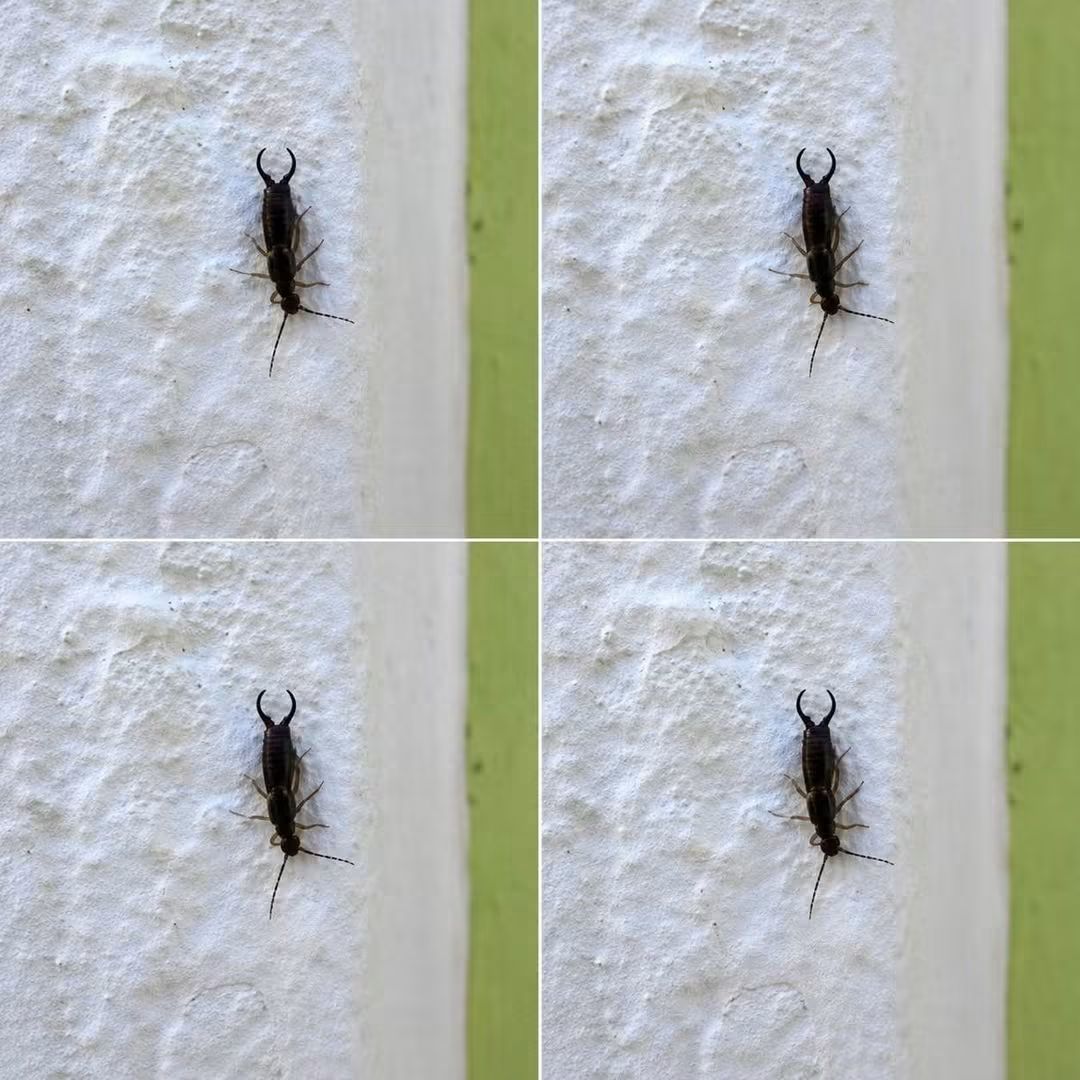
Warning! If You Find This Tiny Insect in Your Kitchen, Check Your Pantry — Here’s How to Handle It Calmly is a reminder that seeing a small moth flying around your kitchen does not necessarily mean your entire home is overrun. Pantry moths are a common household nuisance, especially when dry foods are stored for long periods. They can arrive unnoticed inside packages of flour, cereal, grains, pasta, nuts, dried fruit, spices, pet food, or birdseed.
The good news is that pantry moths can usually be managed with a careful inspection, thorough cleaning, proper food storage, and patience. The most important thing is not to panic. Adult moths are annoying, but the real problem is usually hidden in stored food, where eggs and larvae can develop.
Warning! If You Find This Tiny Insect in Your Kitchen, Check Your Pantry — Here’s How to Handle It Calmly because identifying the problem early can make cleanup much easier.
Rather than spraying insecticide around food-storage areas, start by determining where the infestation is coming from. A single adult moth may be a sign that larvae are developing somewhere nearby, so checking the pantry is a sensible first step.
Why This Guide Works
Warning! If You Find This Tiny Insect in Your Kitchen, Check Your Pantry — Here’s How to Handle It Calmly works as a simple approach because it focuses on finding the source instead of merely killing the adult moths you happen to see.
Adult pantry moths may be visible around cabinets, ceilings, walls, or windows, but killing the flying insects does not necessarily solve the underlying problem. Eggs and larvae may still be hidden inside food packages or cracks and corners around the pantry.
A successful cleanup therefore has several parts:
Identify the source.
Remove contaminated food.
Clean the pantry thoroughly.
Monitor adult moth activity.
Store dry foods securely.
Continue checking the pantry afterward.
This approach is practical because pantry moth infestations can persist when even one overlooked package remains contaminated.
It is also important to remember that pantry moths do not mean your kitchen is dirty. Infestations can begin when an already-contaminated food package enters the home. Good housekeeping helps prevent problems from becoming worse, but even a very clean kitchen can experience pantry moths.
What You’ll Need for This Pantry Cleanup
You do not need an elaborate collection of products to begin dealing with pantry moths.
Basic Cleaning Supplies
Vacuum cleaner
Warm water
Dish soap or mild household soap
Clean cloths or paper towels
Trash bags
Airtight food containers
Optional pheromone pantry-moth traps
A flashlight for inspecting dark corners
If you choose to use vinegar as part of your cleaning routine, remember that cleaning with vinegar is mainly a surface-cleaning measure. It should not be considered a guaranteed method for eliminating an infestation.
Airtight containers are especially useful after cleanup because they can help prevent pests from moving freely between food packages.
Warning! If You Find This Tiny Insect in Your Kitchen, Check Your Pantry — Here’s How to Handle It Calmly
Before throwing everything away, take a systematic approach.
Step 1: Identify the Source
Begin by emptying the pantry or the affected cabinet. Inspect every package carefully, including products that appear unopened.
Pay particular attention to:
Flour
Rice
Cereal
Pasta
Grains
Baking ingredients
Spices
Nuts
Dried fruit
Pet food
Birdseed
Other dry goods
Look for silky webbing, clumps, larvae, small cocoons, unusual residue, or insects inside the packaging.
Pantry moth larvae can sometimes leave the food and crawl along walls or ceilings before forming cocoons. Therefore, finding a larva somewhere away from the pantry does not necessarily mean that is where the infestation started.
Check package seams, folds, cardboard edges, and small openings carefully.
Step 2: Discard Clearly Contaminated Food
If food contains visible larvae, webbing, cocoons, or other obvious signs of infestation, the safest practical choice is generally to throw it away.
Place the contaminated item into a sealed trash bag. If possible, remove the bag from the kitchen promptly so insects do not have another opportunity to spread.
Do not assume that transferring visibly contaminated food into another container will make it safe or eliminate the infestation.
What about food that looks completely normal?
That can be more complicated because eggs or very small larvae may not be obvious. If you suspect a product has been exposed, follow the storage or disposal guidance appropriate for that food. For dry goods, freezing can be used as a pest-control measure, but it should not be treated as a way to make visibly contaminated food desirable to eat.
Step 3: Clean the Pantry Thoroughly
Warning! If You Find This Tiny Insect in Your Kitchen, Check Your Pantry — Here’s How to Handle It Calmly because cleaning is one of the most important parts of the process.
Remove everything from the affected shelves.
Use a vacuum cleaner to reach:
Shelf corners
Cracks
Cabinet joints
Edges
Holes around shelving
Areas underneath containers
Vacuuming can help remove crumbs, eggs, larvae, cocoons, and other debris hiding in difficult-to-reach areas.
When finished, empty the vacuum according to its instructions so that anything collected does not remain inside the machine.
Next, wash the shelves and surrounding surfaces with warm soapy water. Pay attention to corners and crevices rather than simply wiping the large, visible surfaces.
Allow everything to dry completely before returning food to the pantry.
Signs of a Pantry Moth Infestation
Warning! If You Find This Tiny Insect in Your Kitchen, Check Your Pantry — Here’s How to Handle It Calmly because knowing the warning signs can help you catch an infestation before it becomes widespread.
Flying Moths
Adult pantry moths may be seen flying around kitchen cabinets, walls, ceilings, or nearby rooms.
Seeing one does not automatically prove there is a major infestation, but it is worth checking dry food storage areas.
Silky Webbing
Fine webbing inside food packaging is one of the more recognizable warning signs.
It may appear around grains, cereal, flour, dried fruit, nuts, or other dry products.
Small Larvae
Pantry moth larvae are small caterpillar-like creatures. They may be found inside food or crawling away from an infested package.
Cocoons or Pupae
Small cases or cocoons may appear in cabinet corners, cracks, behind containers, or along walls.
Clumped Food
Food that has become unusually clumped or tangled with webbing may indicate an infestation.
An unusual smell or appearance can also be a reason to discard the product.
Step 4: Consider Pheromone Traps
Pheromone traps can be useful for monitoring pantry moth activity. These traps are designed to attract adult male moths.
They can help you determine whether adult moths are still active after cleaning.
However, traps should not be viewed as a complete solution. They do not remove contaminated food, eliminate hidden larvae, or clean the pantry.
Think of them as a monitoring tool that can complement the main cleanup process.
Step 5: Store Food in Airtight Containers
Warning! If You Find This Tiny Insect in Your Kitchen, Check Your Pantry — Here’s How to Handle It Calmly because proper food storage is one of the easiest ways to reduce future problems.
Instead of keeping flour, grains, cereal, rice, pasta, nuts, and similar foods in thin bags or loosely closed boxes, consider transferring them into sturdy containers with tight-fitting lids.
Glass jars and quality food-storage containers can make pantry organization easier while also limiting access between different food products.
Label containers with the purchase date when practical. This makes it easier to rotate older foods first.
Keeping the pantry organized also makes inspections much easier.
Tips + Tricks & More for Pantry Success
Inspect New Groceries
Pantry moths can enter homes through contaminated products. Before putting new dry goods away, quickly inspect packages for damaged seals, webbing, insects, or anything unusual.
Keep the Pantry Uncluttered
Crowded shelves make it difficult to see spills, crumbs, damaged packaging, or signs of insects.
Leave enough space between products that you can inspect them easily.
Rotate Older Foods
Use older pantry products before newer ones. This reduces the amount of food sitting untouched for months.
Be Careful With Pet Food
Pet food can also become a source of pantry pests. Store dry pet food securely and inspect it periodically.
Check Birdseed
Birdseed is another dry product that may attract or harbor pantry pests. If birdseed is stored indoors, keep it in a tightly sealed container.
Do Not Rely Only on Natural Repellents
You may hear recommendations involving bay leaves, cedar, or other natural substances. While people commonly use these methods, they should not replace inspection, removal of contaminated food, cleaning, and secure storage.
The most reliable strategy is to remove the source and prevent access to stored food.
Can You Save Food Affected by Pantry Moths?
Warning! If You Find This Tiny Insect in Your Kitchen, Check Your Pantry — Here’s How to Handle It Calmly because one of the biggest questions people have is whether every food item must be thrown away.
The answer depends on what you find.
If a product has obvious webbing, larvae, cocoons, or significant contamination, discarding it is generally the most sensible choice.
If a dry product is only suspected of exposure and shows no signs of contamination, some people choose to freeze it for several days as a pest-control measure. Freezing can kill pantry-pest eggs and larvae when done appropriately, but it does not reverse contamination or make visibly infested food appealing.
When in doubt, throwing away a relatively inexpensive dry product is often preferable to keeping something that may continue the infestation.
How to Prevent Pantry Moths in the Future
Prevention starts immediately after cleanup.
Keep dry foods in airtight containers, clean spills promptly, and regularly inspect products that have been sitting untouched.
Do not ignore a single moth simply because you do not see anything else. One adult may be harmless, but repeated sightings deserve investigation.
Also remember that pantry moths can sometimes move beyond the immediate food-storage area. Check nearby cupboards and shelves if you continue seeing adult moths after cleaning.
Warning! If You Find This Tiny Insect in Your Kitchen, Check Your Pantry — Here’s How to Handle It Calmly because prevention is much easier when the pantry remains easy to inspect.
When Should You Call a Professional?
Most small pantry-moth problems can be addressed through careful inspection, disposal, cleaning, and food storage.
However, consider contacting a pest-control professional if:
The infestation appears extensive.
Moths continue appearing after thorough cleanup.
You cannot identify the source.
The infestation keeps returning.
Larvae or moths are appearing in multiple areas of the home.
You are unsure how to handle a persistent pest problem safely.
A professional can help identify where pests are developing and determine whether there are hidden areas that need attention.
Avoid casually spraying pesticides around food-storage areas. Always follow product labels and use only products appropriate for the specific situation.
Frequently Asked Questions
Are Pantry Moths Harmful?
Pantry moths are primarily a food-storage pest. Their main concern is contamination and spoilage of stored dry foods rather than direct danger from the adult moths themselves.
How Long Do Pantry Moths Live?
The complete life cycle can vary depending on temperature, food availability, and environmental conditions. Adult moths generally live for a relatively short period, while the larval stage can last considerably longer.
Can I Eat Food That Had Pantry Moths?
If you find obvious webbing, larvae, cocoons, or substantial contamination, discard the product. If you merely suspect exposure, consider the type of food and appropriate storage or pest-control guidance.
Do Pantry Moths Fly in From Outside?
They can enter through doors, windows, and other openings, but contaminated groceries are also an important way pantry pests can enter a home.
What About Pantry Moths in Pet Food?
Pet food should be inspected just like human dry foods. Store it in a sealed container and check it regularly.
How to Serve This Advice to Your Household
Although this isn’t a recipe, the best way to “serve” this information is as a simple household routine: inspect, remove, clean, monitor, and prevent.
If several people share the kitchen, let everyone know which foods were discarded and where the clean, sealed products are stored. This prevents someone from accidentally bringing a questionable package back into the pantry.
You can also keep a small checklist nearby:
Inspect → Discard → Vacuum → Wash → Seal → Monitor
That simple routine makes the process less overwhelming.
Serving Suggestions
For a clean and organized pantry, consider arranging foods by category:
Grains and rice together
Pasta in sealed containers
Baking ingredients in airtight jars
Nuts and dried fruit in secure containers
Cereal in sealed storage containers
Pet food separately from human food
This makes it easier to notice something unusual during your next pantry check.
Time
Inspection: 20–60 minutes, depending on pantry size
Initial cleaning: 30–90 minutes
Food reorganization: 20–45 minutes
Ongoing monitoring: Several weeks
Professional treatment: Depends on the severity of the infestation
Remember that cleaning the pantry once does not necessarily mean the problem is immediately finished. Continue checking stored foods and watching for adult moths afterward.
A Final Thought
Warning! If You Find This Tiny Insect in Your Kitchen, Check Your Pantry — Here’s How to Handle It Calmly because discovering pantry moths can feel much more alarming than the problem actually is.
The sight of a tiny moth flying around your kitchen can instantly make you wonder whether every package of food has been contaminated. Take a breath and start with the basics.
Empty the pantry. Inspect the dry goods. Discard clearly contaminated products. Vacuum corners and cracks. Wash the shelves. Transfer vulnerable foods into airtight containers. Then monitor the area for continued activity.
Most importantly, do not blame yourself. Pantry moths can arrive in food packaging, and an infestation can happen even in a well-maintained kitchen.
Warning! If You Find This Tiny Insect in Your Kitchen, Check Your Pantry — Here’s How to Handle It Calmly is not meant to create panic—it is about recognizing the signs early and responding methodically.
With patience, organization, and consistent monitoring, you can get your pantry back under control and make future infestations much less likely.
Have you ever discovered pantry moths in your kitchen? What was the first sign you noticed, and what worked best for you? Sharing practical experiences can help other households recognize the problem early and handle it calmly.