

Introduction
There are some dishes that transcend mere sustenance, becoming vibrant threads woven into the fabric of family history. Stuffed artichokes are precisely that kind of culinary masterpiece. For generations, this humble yet elegant dish has graced our tables, marking holidays, celebrations, and even simple Sunday dinners with its unique flavor and the warmth of shared tradition. It’s more than just a recipe; it’s a story told through each tender leaf and savory bite, a delicious legacy passed down from hand to loving hand, binding us together across the years.
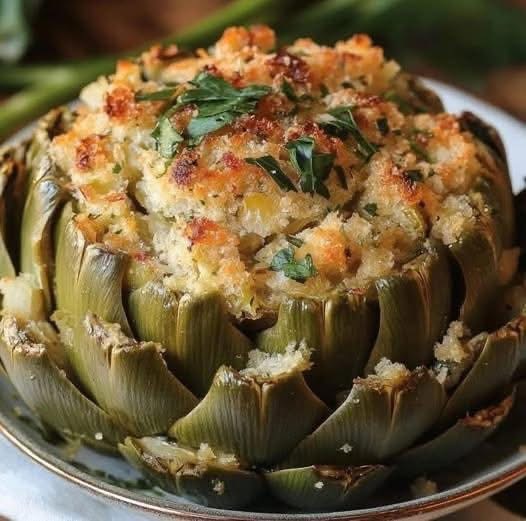
The allure of stuffed artichokes lies in their captivating combination of textures and tastes. The outer leaves, once scraped clean, offer a delightful chew, leading to the succulent heart—the true prize of the artichoke. Nestled within these layers is a fragrant, seasoned breadcrumb stuffing, often infused with garlic, herbs, and sometimes cheese, creating a symphony of savory notes. This dish is a testament to the idea that the best food is often born from simple, wholesome ingredients elevated by careful preparation and, most importantly, by the love poured into its making. It’s a dish that demands a little patience, but rewards you with an unforgettable experience, turning a meal into a cherished ritual.
While stuffed artichokes hold a special place in many Italian-American households, their appeal is universal. They’re a fantastic appetizer, a hearty side dish, or even a light main course. The process of preparing them, from meticulously cleaning each artichoke to carefully spooning in the stuffing, often becomes a communal activity, drawing family members into the kitchen to contribute to the creation of this beloved dish. It’s a culinary tradition that truly brings generations together, fostering conversation, laughter, and the creation of new, delicious memories with every single bite.
Nutritional Information
Per serving (approximate values):
- Calories: 350-400
- Protein: 12-15g
- Carbohydrates: 40-45g
- Fat: 15-20g
- Fiber: 10-12g
- Sodium: 600-800mg
Ingredients
- 4 large globe artichokes (about 1 pound each)
- 2 cups plain Italian breadcrumbs
- 1/2 cup grated Pecorino Romano cheese (or Parmesan)
- 1/4 cup finely chopped fresh Italian parsley
- 4-5 cloves garlic, minced
- 1/2 teaspoon dried oregano
- 1/4 teaspoon red pepper flakes (optional, for a little heat)
- 1/2 cup extra virgin olive oil, plus more for drizzling
- 1 large lemon, cut into wedges (for cleaning and serving)
- 1 teaspoon salt, plus more for boiling
- 1/2 teaspoon black pepper
- 4 cups chicken or vegetable broth (or water), for steaming
Instructions
- Prepare the Artichokes: Begin by preparing a large bowl of cold water with the juice of half a lemon. This will prevent the artichokes from browning.
- Trim the artichokes: Using a sharp serrated knife, cut off the top 1 inch of each artichoke. Snap off any small, tough outer leaves at the base. Use kitchen shears to snip off the thorny tips of the remaining leaves.
- Trim the stem: Cut off the stem flush with the base or leave about an inch if you prefer a handle. If leaving a stem, peel the tough outer layer.
- Open the leaves: Gently spread the leaves open to create space for the stuffing. You can tap the artichoke firmly on a counter to help loosen the leaves. Immediately place the trimmed artichokes in the lemon water while you prepare the stuffing.
- Prepare the Stuffing: In a large mixing bowl, combine the breadcrumbs, grated Pecorino Romano cheese, chopped parsley, minced garlic, dried oregano, red pepper flakes (if using), 1 teaspoon salt, and 1/2 teaspoon black pepper.
- Add the olive oil: Pour in 1/2 cup of extra virgin olive oil and mix thoroughly with your hands until the breadcrumbs are evenly moistened. The mixture should be crumbly but hold together when squeezed.
- Stuff the Artichokes: Remove one artichoke from the lemon water and gently shake off excess water. Pat it dry with a clean kitchen towel.
- Begin stuffing: Start by spooning small amounts of stuffing mixture into the center of the artichoke, working your way down into the cavity. Gently pry open the leaves and push the stuffing into the spaces between them. Don’t be afraid to get your hands in there and really pack it in, ensuring every crevice is filled.
- Continue with remaining artichokes: Repeat the stuffing process for the remaining three artichokes.
- Cook the Artichokes: Choose a large pot with a tight-fitting lid that can hold all four artichokes snugly, or use a large Dutch oven. If you have a steaming rack or basket, place it at the bottom. If not, you can use an inverted heat-proof plate or crumpled foil balls to elevate the artichokes slightly to prevent them from sitting directly in the liquid.
- Add liquid: Pour 4 cups of chicken or vegetable broth (or water) into the pot. Add a pinch of salt to the liquid.
- Arrange artichokes: Carefully place the stuffed artichokes in the pot, standing them upright. They should fit snugly but not be too crowded.
- Steam: Bring the liquid to a boil over medium-high heat. Once boiling, reduce the heat to low, cover the pot tightly, and simmer for 45-60 minutes, or until a leaf can be easily pulled from the artichoke and the bottom is fork-tender. Cooking time will vary depending on the size of your artichokes.
- Optional finishing step (baking): If you prefer a slightly crispy top, after steaming, you can carefully transfer the artichokes to a baking dish. Drizzle a little extra olive oil over the tops and bake in a preheated oven at 375°F (190°C) for 10-15 minutes, or until the stuffing is golden brown and slightly crispy.
- Serve: Carefully remove the stuffed artichokes from the pot using tongs. Serve warm with extra lemon wedges for squeezing over the leaves.
Cooking Tips and Variations
For the best results, always start with fresh, firm artichokes. Look for ones that feel heavy for their size and have tightly closed leaves. Avoid any with bruised or discolored spots. When trimming, don’t be shy about cutting off enough of the top and bottom; these parts are tough and not pleasant to eat. The lemon water soak is crucial for preventing oxidation and keeping your artichokes looking vibrant. A good quality extra virgin olive oil will make a significant difference in the flavor of your stuffing, so don’t skimp here.
To ensure even cooking, try to select artichokes that are roughly the same size. When stuffing, make sure to get the mixture all the way down into the center and between the leaves. This is where a lot of the flavor comes from. Don’t overcook them, as they can become mushy; test for doneness by pulling an outer leaf—it should come off with moderate resistance. If it’s too difficult, they need more time; if it falls off too easily, they might be overdone.
There are many ways to vary this classic recipe to suit your taste. For a richer stuffing, you can add 1/4 cup of grated Parmesan cheese in addition to or in place of the Pecorino Romano. For a meatier version, try adding 1/2 cup of cooked, crumbled Italian sausage or finely diced prosciutto to the breadcrumb mixture. If you want to add more vegetables, finely diced bell peppers or sautéed mushrooms can be incorporated into the stuffing. For a spicy kick, increase the red pepper flakes or add a pinch of cayenne pepper. If you’re a fan of anchovies, a finely minced anchovy fillet or two can add a wonderful depth of umami to the stuffing. For a gluten-free option, simply use gluten-free breadcrumbs. For a vegan version, ensure your breadcrumbs are vegan, omit any cheese, and use vegetable broth for steaming. You can also add a tablespoon of nutritional yeast to the stuffing for a cheesy flavor without dairy.
Storage and Reheating
Stuffed artichokes are best enjoyed fresh, but leftovers can be stored and reheated. To store, allow the cooked artichokes to cool completely to room temperature. Place them in an airtight container in the refrigerator for up to 3-4 days. It’s best to store them individually or in a single layer if possible to prevent them from getting too soggy.
When reheating, there are a few options. The gentlest method is to steam them again. Place the artichokes in a steamer basket over simmering water, cover, and steam for 10-15 minutes, or until heated through. This helps to retain their moisture and tenderness. Another option is to reheat them in the oven. Preheat your oven to 350°F (175°C). Place the artichokes in a baking dish, add a splash of water or broth to the bottom of the dish, cover loosely with foil, and bake for 20-25 minutes, or until heated through. For a slightly crisper top, you can remove the foil for the last 5-10 minutes of baking. You can also reheat individual artichokes in the microwave, though this method can sometimes make them a bit rubbery. Place one artichoke on a microwave-safe plate, cover with a damp paper towel, and heat on medium power for 2-3 minutes, checking periodically. Avoid overheating, as this can dry them out.
Frequently Asked Questions
How do I know when an artichoke is cooked through?
The best way to tell if a stuffed artichoke is cooked is by gently pulling on an outer leaf. If it comes off easily with a slight tug, and the base of the leaf is tender and edible, then your artichoke is ready. You can also test the bottom of the artichoke with a fork; it should pierce easily without resistance.
Can I prepare stuffed artichokes ahead of time?
Yes, you can prepare stuffed artichokes in advance. You can trim and stuff the artichokes up to 24 hours before cooking. Store the unstuffed artichokes in the lemon water in the refrigerator, and the stuffed artichokes, tightly covered, in the refrigerator. This allows the flavors to meld beautifully. You can then cook them as directed when you’re ready to serve.
What do I do with the fuzzy choke inside the artichoke?
The fuzzy choke is inedible and must be removed before eating the heart. After the artichoke is cooked and you’ve enjoyed the leaves, you’ll reach the fuzzy choke directly above the heart. Use a spoon to scrape away and discard the fuzzy part, revealing the tender, delicious artichoke heart beneath. Some people prefer to remove the choke before stuffing, but it’s often easier to do after cooking when the leaves are more pliable.
What can I serve with stuffed artichokes?
Stuffed artichokes are quite versatile. As an appetizer, they stand alone beautifully. For a light meal, pair them with a fresh green salad with a vinaigrette dressing. If serving as a side dish, they complement grilled chicken, roasted fish, or a simple pasta dish wonderfully. A crisp, dry white wine like Sauvignon Blanc or Pinot Grigio pairs excellently with the flavors of the artichoke and stuffing.